More (or less) about truth
Photography, in its purest form, is as close as we can get to an eye-witness account without actually being present.
It is for good reason that photography has been a staple of journalism for decades, After all, it is said that one photograph can “replace a thousand words.”
Just try to describe in words that awesome moment in World War II history when U.S. Marines planted the American flag on Iwo Jima. Joe Rosenthal’s award-winning photo was etched on the minds of a generation. It tells the story that thousands of words cannot capture.
Or try to replace with words astronaut Bill Anders’ 1968 photo of the moonrise over the Earth. The first time we saw “this fragile earth, our island home.”
Yes, photographs have captured history for years to come. And will continue to do so.
AND.
Photographs can be manipulated so that they distort the truth.
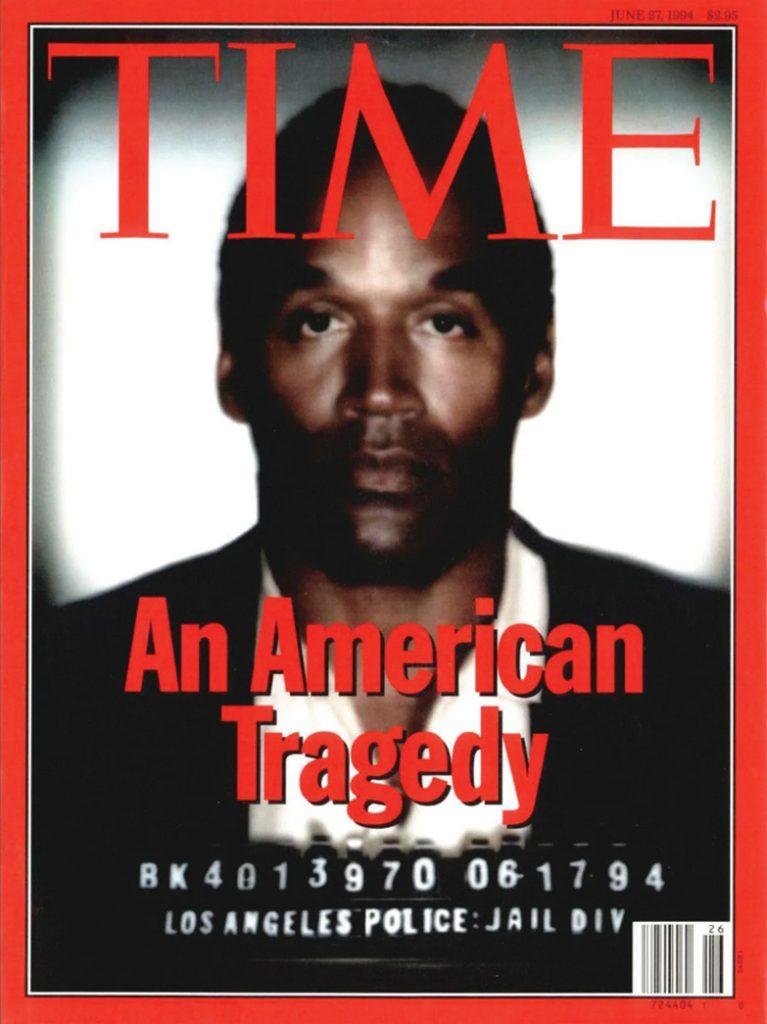
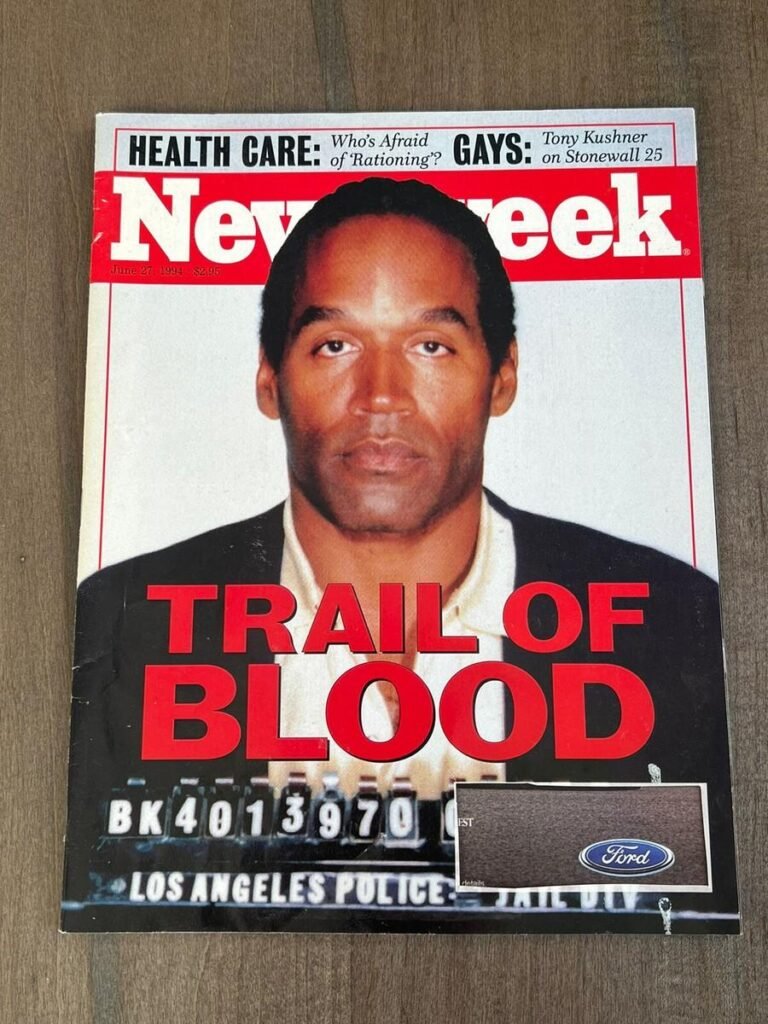
In the 1994 murder trial of football hero O.J. Simpson, two national news magazines handled his jailhouse photos differently. Newsweek ran the photo on the cover, without serious editing. Time carried the same photo, seriously doctored to make the suspect appear more menacing. The magazine was widely criticized for this, and comparing the two photos was a buzz around newsrooms for months to come.
All of this pales with comparison to what Artificial Intelligence can do now. I have gotten to where I trust very little of what I see. What a shame.
Leave a Reply
You must be logged in to post a comment.